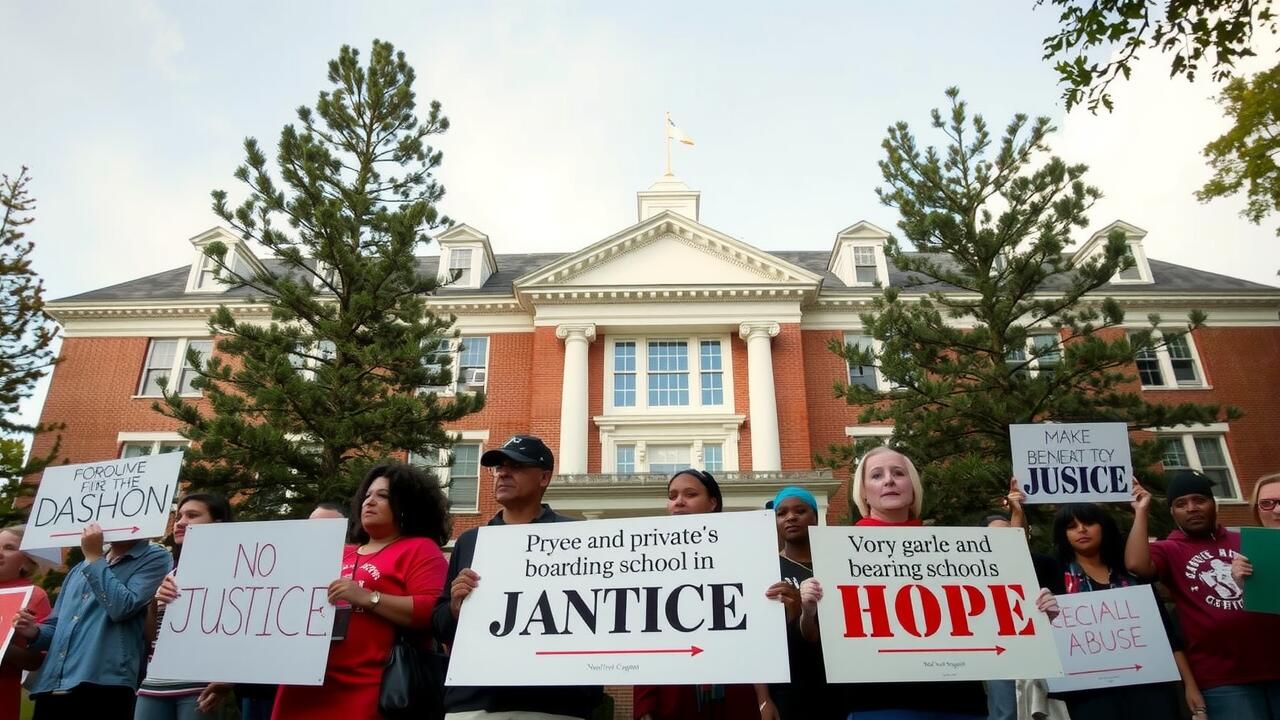
Key Takeaways
- Addressing the problem of sexual misconduct in educational institutions in New Jersey.
- The regulatory context governing educational facilities in New Jersey.
- Methods for ensuring institutions are responsible for their actions.
- The importance of supporters and advocacy groups in this cause.
- Initiatives and changes in legislation aimed at reform.
- Strategies for raising community consciousness and preventing abuse.
Holding Private And Religious Boarding Schools Accountable For Sexual Abuse In NJ | Understanding the Issue of Sexual Abuse in Boarding Schools
Sexual abuse in boarding schools, including incidents tied to the catholic church sexual abuse scandal, poses a significant challenge in New Jersey. Holding Private and Religious Boarding Schools Accountable for Sexual Abuse in NJ requires a clear understanding of the pervasive nature of sexual abuse allegations within these institutions. Reports of sexual abuse of children often highlight a pattern of silence, leaving many victims feeling isolated and unsupported. Cases involving clergy sexual abuse further complicate the landscape, as survivors grapple with the trauma of being sexually abused in environments meant to provide care and education. The prevalence of sexual abuse cases in private and religious schools calls for urgent reforms and effective mechanisms to protect students from childhood sexual abuse, ensuring that responsible parties are held accountable for their actions.
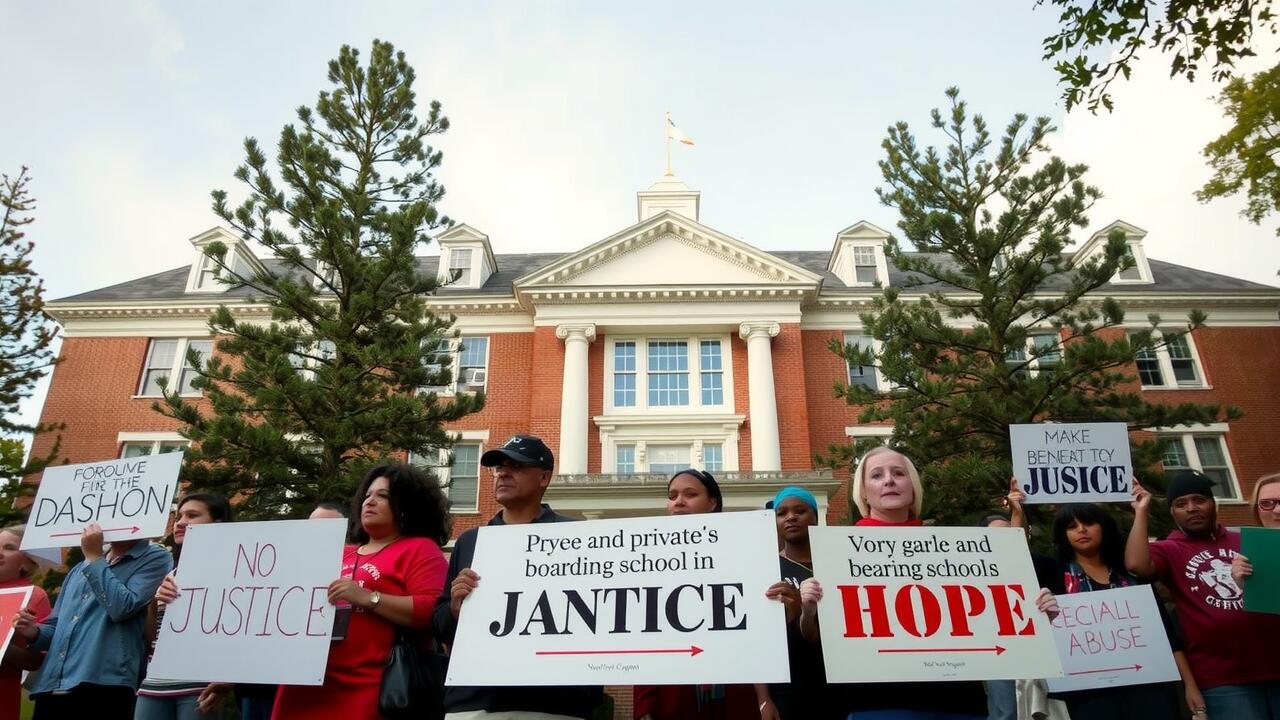
Holding Private and Religious Boarding Schools Accountable for Sexual Abuse in NJ | Overview of Sexual Abuse Incidents in New Jersey
Sexual abuse incidents in New Jersey boarding schools have surfaced with alarming frequency, revealing troubling patterns of misconduct that require immediate attention. Numerous sexual abuse lawsuits have emerged, revealing the devastating impact of child sexual abuse on victims and their families. Reports of sexual misconduct and abuse of children within these institutions have led to significant outrage and calls for accountability. The sexual abuse scandals that have come to light involve allegations of sexual assaults and harassment, highlighting the urgent need for reforms and vigilance in protecting students.
The prevalence of sexual behavior that crosses the line into abuse in New Jersey's private and religious boarding schools underscores a systemic failure to safeguard minors. Incidents of sexual assault and harassment not only affect the immediate victims but also create an environment of fear and mistrust among the student body. Holding Private and Religious Boarding Schools Accountable for Sexual Abuse in NJ is crucial for initiating thorough investigations and ensuring that perpetrators face consequences. This accountability will help to foster a culture that prioritizes the safety and well-being of all students.
The Impact on Victims and Their Families
Victims of sexual offenses in boarding schools often experience profound and long-lasting emotional and psychological effects. The trauma resulting from a sexual act or child sexual assault can lead to anxiety, depression, and difficulty in forming trusting relationships. Families are not spared from this impact, as they may struggle with feelings of guilt and helplessness. The stigma surrounding discussions of sexual crime can create additional barriers for victims, making it challenging for them to seek help. Holding Private and Religious Boarding Schools Accountable for Sexual Abuse in NJ is crucial in addressing these issues and providing a path toward healing.
The repercussions of sexual abuse extend beyond the individual victim, affecting family dynamics and community perception. Families of victims may face isolation and scrutiny while trying to navigate the reporting process. It is essential for institutions, including those like Bergen Catholic High School and other catholic schools, to have clear policies that address child sex abuse and support victims and their families. The New Jersey Department of Education plays a vital role in ensuring that schools adopt preventative measures and foster a safe environment for students, especially in middle school settings. By holding these schools accountable, there is hope for restoring safety and trust within the community.
The Legal Framework Surrounding Boarding Schools in NJ
Understanding the legal framework surrounding private and religious boarding schools in New Jersey is crucial for Holding Private and Religious Boarding Schools Accountable for Sexual Abuse in NJ. Institutions such as Essex Catholic High School and other prep schools must adhere to regulations that ensure the safety and well-being of their students. Reports of abuse, including incidents involving pedophile priests, highlight the urgent need for enforceable policies that address child abuse within residential schools. Legal mechanisms exist to protect students from sexually abusing staff and to hold these institutions accountable for any failures to prevent sexual activity and sex acts that harm minors. A thorough understanding of these legal obligations will help victims and their families seek justice against the abuses that have taken place in these educational environments.
Understanding Private and Religious School Regulations
Private and religious boarding schools in New Jersey have specific regulations that govern their operations and the safety of their students. These institutions are required to uphold standards that protect minors from abuse, including sexual abuse. Incidents of educators and priests engaging in criminal sexual contact with students highlight the necessity for rigorous oversight. Holding private and religious boarding schools accountable for sexual abuse in NJ requires an understanding of these regulations and the legal frameworks that are meant to safeguard students from boarding school abuse.
Compliance with established guidelines is crucial for private schools, particularly in preventing and addressing allegations of sexual assault. Cases of alcohol abuse within school environments can complicate the dynamics of accountability. Educators and administrators must be vigilant in recognizing signs of abuse and ensuring victims receive the support they need. Holding private and religious boarding schools accountable for sexual abuse in NJ involves not only adherence to regulations but also a commitment to fostering a safe educational environment for all students.
Legal Obligations of Schools to Protect Students
Private and religious boarding schools in New Jersey have a profound responsibility to ensure the safety and well-being of their students. Under various sexual abuse laws and the provisions of the sexual abuse act, these institutions are mandated to implement effective measures for preventing and responding to sexual abuse cases. This includes thorough screening processes for staff and immediate reporting procedures when allegations arise. Holding private and religious boarding schools accountable for sexual abuse in NJ requires not only compliance with existing regulations but also a commitment to fostering an environment where students feel safe to speak up about their experiences.
Public boarding schools and private schools share similar legal obligations to protect students from potential threats. Each educational institution must establish policies that prioritize the reporting of sexual abuse claims and take appropriate action to investigate allegations promptly. Sexual abuse attorneys often play a crucial role in advocating for sexual abuse survivors, helping them navigate the complexities of legal processes surrounding such sensitive matters. By reinforcing these legal responsibilities, communities can work towards holding private and religious boarding schools accountable for sexual abuse in NJ, ensuring a safer environment for all students.
- Schools must conduct background checks for all staff and volunteers working with students.
- Mandatory training programs on recognizing and responding to signs of abuse should be provided for all employees.
- Clear reporting procedures for students and staff to report allegations of sexual abuse must be established.
- Institutions should maintain a zero-tolerance policy towards sexual abuse, ensuring strict consequences for violations.
- Regular audits and assessments of school policies related to student safety should be conducted to ensure compliance and effectiveness.
- Schools should foster a culture of openness and support, encouraging students to report any concerns without fear of retaliation.
- Collaboration with local law enforcement and child protective services is essential for effective response to allegations of abuse.
Mechanisms for Holding Schools Accountable
Holding Private and Religious Boarding Schools Accountable for Sexual Abuse in NJ requires robust mechanisms to ensure that incidents are reported and addressed effectively. Many respected boarding schools could face scrutiny as sexual abuse problems persist across various types of educational institutions, including well-known boarding schools and state-operated boarding schools. Legal frameworks enable sexual abuse lawyers to assist victims in seeking sexual abuse compensation, emphasizing the importance of accountability in new jersey schools. Effective reporting procedures and investigative processes are essential in creating safe boarding school environments, ultimately protecting students from harm present in both private and public school settings.
Reporting Procedures for Sexual Abuse in Schools
Reporting incidents of sexual abuse in private day schools requires a clear understanding of the protocols established by school administrators. Holding Private and Religious Boarding Schools Accountable for Sexual Abuse in NJ mandates that institutions have comprehensive reporting procedures. Sexual abuse victims should feel encouraged to come forward, knowing that their claims will be taken seriously. Failure to act may not only result in a school abuse lawsuit but can also enable ongoing abuse within active boarding schools. As communities raise awareness, they create safer environments for sexual assault survivors and ensure that proper actions are taken against misconduct.
It is essential for both victims and their families to know the resources available for reporting sexual misconduct cases effectively. Engaging with a sexual abuse attorney can provide invaluable guidance throughout the legal process. Parents of students, particularly those involved in catholic school enrollment, should advocate for robust measures that protect their children. Following schools' defined procedures and understanding the legal framework allows for the establishment of accountability as well as support for sexual abuse victims seeking justice. Holding Private and Religious Boarding Schools Accountable for Sexual Abuse in NJ also encourages systemic changes within educational institutions.
Investigative Processes by Authorities
Authorities investigate claims of civil sex abuse within New Jersey's private and religious boarding schools rigorously. Allegations of sexual assault, whether involving clergy abuse or student-on-student abuse, are taken seriously. Investigators focus on gathering evidence that could reveal patterns of abusive practices among staff and students alike. This scrutiny often extends to well-known schools, with a commitment to holding abusive teachers accountable for their actions against vulnerable students.
The investigative processes also aim to address the cultural dynamics within boarding schools that may enable inappropriate behavior. By examining internal policies and reporting mechanisms, authorities assess whether schools fulfill their legal obligations to protect students. Ensuring that public school teachers and staff adhere to the highest standards of conduct is crucial for fostering a safe educational environment. Holding private and religious boarding schools accountable for sexual abuse in NJ necessitates thorough investigations that prioritize the well-being of all students.
The Role of Advocates and Support Organizations
Advocates and support organizations play a crucial role in Holding Private and Religious Boarding Schools Accountable for Sexual Abuse in NJ. These entities work tirelessly to protect students from the threat of sexual abuse predators within such schools. By providing resources and guidance, they empower victims and their families to pursue justice through sex abuse lawsuits and by connecting them with experienced sexual assault attorneys. The focus remains on raising awareness about inappropriate behavior and ensuring a safer environment in both boarding and public day schools. As part of the broader school community, these organizations strive to create a culture of accountability and respect, helping schools today recognize their responsibilities in safeguarding students against potential harm.
- Advocate for policy changes to improve student safety standards.
- Provide educational resources to inform families about their rights.
- Facilitate support groups for survivors to share their experiences.
- Collaborate with law enforcement and legal authorities for better investigations.
- Offer training programs for school staff on recognizing and reporting abuse.
- Raise funds to support legal cases and survivor support initiatives.
- Engage in public awareness campaigns to highlight issues of sexual abuse in schools.
Key Organizations in New Jersey Addressing Abuse
Numerous organizations in New Jersey are dedicated to Holding Private and Religious Boarding Schools Accountable for Sexual Abuse in NJ. These groups aim to support victims of sexual assault lawsuits and advocate for systemic changes within jersey schools. Their mission is to provide resources for those affected by abuse, particularly targeting cases involving multiple abusers and instances of inappropriate conduct. These organizations are vital in raising awareness about the possibility of abusers being hidden within educational institutions, facilitating the pursuit of justice for survivors.
Many of these advocacy groups interact with survivors of abuse, ensuring they receive guidance and support in navigating the complexities of legal proceedings. Through outreach efforts, they highlight the dangers of sexual relationships between staff and students, often leading to further abuse. By emphasizing the need to address the issue of assaulting students, these organizations play a critical role in promoting a safer educational environment, where accountability is paramount among those entrusted with the care of young individuals.
Resources for Victims and Families Seeking Justice
Support systems are crucial for abuse survivors navigating their trauma. Organizations specializing in holding private and religious boarding schools accountable for sexual abuse in NJ provide vital resources to those affected by such abuse. These groups often offer legal assistance, counseling, and advocacy to help individuals confront abusive acts committed by perpetrators within institutions, including clergy malpractice situations tied to the Catholic Church. The involvement of these organizations helps ensure that survivors are empowered to seek justice against abusive practices that may have been tolerated within elite prep schools and school districts.
Educational institutions must foster a safe environment that addresses inappropriate actions and promotes accountability. For families seeking justice, understanding the landscape of support services is essential. Many organizations advocate for systemic changes to school culture, aiming to eradicate the environment that allows abuse to flourish. By connecting with resources tailored for victims, families can learn about their options, prepare for a clergy malpractice case, and strengthen their resolve to confront the past while working toward a safer future for all students.
Legislative Efforts and Reforms
Recent changes in New Jersey laws have focused on Holding Private and Religious Boarding Schools Accountable for Sexual Abuse in NJ, particularly in the context of abuse cases involving school personnel. These legislative reforms aim to strengthen the legal framework surrounding allegations of inappropriate relationships between students and alleged abusers. The reforms provide a clearer path for victims to pursue school lawsuits, ensuring that even well-respected prep schools and prestigious prep schools are held liable for their actions or inactions during school-sponsored activities. Access to an abuse law library has increased awareness among advocates and families regarding their private right to seek justice and protect children from future incidents. Revisions in these laws reflect a broader commitment to safeguarding student welfare and holding institutions accountable for their responsibilities.

Recent Changes in New Jersey Laws Regarding School Accountability
New Jersey has recently enacted laws aimed at strengthening the accountability of educational institutions, particularly concerning Holding Private and Religious Boarding Schools Accountable for Sexual Abuse in NJ. These legislative changes address the rising number of abuse claims and shed light on the abusive culture that has persisted within some private and religious schools. By providing clearer guidelines and support for victims, the laws aim to empower those affected by abusive behavior to come forward with their allegations, paving the way for potential sexual assault lawsuits and the pursuit of justice.
The updated legal framework also emphasizes the need for greater transparency within day schools and other educational settings in handling allegations of sexual assault. It is crucial that schools take immediate steps to address claims of sexual captive and ensure that allegations are investigated thoroughly. These changes reflect a growing recognition of the need to mitigate the risk of sexual assault charges and support victims seeking recourse against abusive practices in educational environments. Holding Private and Religious Boarding Schools Accountable for Sexual Abuse in NJ fosters a safer and more responsible atmosphere for students.
Advocacy for Stronger Policies to Protect Students
Stronger policies are necessary to ensure that Holding Private and Religious Boarding Schools Accountable for Sexual Abuse in NJ is prioritized. Current regulations often fall short in adequately protecting students from abuse allegations involving priests and school officials. The need for appropriate supervision of all staff members, including those working with middle school students, is critical. Establishing clear protocols for reporting incidents of sexual assault would empower victims and their families to seek justice without fear of retaliation.
Advocacy efforts should focus on increasing transparency within various schools to foster a culture of safety. School administrators must be held accountable for their actions and the systems they implement to protect students. This includes addressing any past abuse allegations promptly and taking proactive measures to prevent future incidents. By strengthening laws around the responsibilities of state institutions, the protection of vulnerable students can become a priority for every private educational establishment.
Community Awareness and Prevention Strategies
A proactive approach to community awareness and prevention strategies is essential for Holding Private and Religious Boarding Schools Accountable for Sexual Abuse in NJ. This includes developing programs that educate both students and staff about the dangers posed by passive abusers who may occupy roles as educators or school employees. Understanding the sexual nature of abuse, especially within K-12 schools, is crucial for boarding students who are often vulnerable on school grounds. By raising awareness and fostering open discussions about consent and boundaries, communities can empower students to speak out against potential abusers and ensure that any reports are taken seriously by the school systems. New Jersey courts play a vital role in emphasizing the importance of holding institutions accountable through education appeals, thereby reinforcing a culture of safety and vigilance against sexual misconduct in educational environments.
Developing Programs to Educate Students and Staff
Effective educational programs must focus on raising awareness regarding sexual abuse and implementing preventive measures within boarding schools. Initiatives at institutions like Peddie School can create safe environments where multiple students feel empowered to speak up during school hours. Workshops and seminars held in the school auditorium can provide crucial information about the rights of New Jersey victims and highlight the importance of holding private and religious boarding schools accountable for sexual abuse in NJ. Education empowers students and staff to recognize inappropriate behavior and understand the procedures for reporting incidents.
Training programs should extend to all faculty and staff to ensure a unified approach towards prevention and response. Involving community organizations and experts can enhance the curriculum by incorporating best practices and the legal responsibilities of institutions, including Catholic dioceses and youth detention centers. Such comprehensive education helps foster a culture of safety within the school, ultimately reinforcing the message that accountability is essential in protecting students from abuse. Holding private and religious boarding schools accountable for sexual abuse in NJ requires a collaborative effort to educate and support everyone within the school community.
Building a Culture of Safety in Boarding Schools
A culture of safety in boarding schools must prioritize the well-being of students above all else. This involves rigorous training for teachers and school administrators on spotting and addressing issues related to rampant child sex abuse. Establishing clear guidelines under education law is essential for effective student supervision. Reputable prep schools can model these practices, ensuring that all staff members understand their legal obligations. Holding Private and Religious Boarding Schools Accountable for Sexual Abuse in NJ requires a commitment from both educators and religious communities to foster an environment where students feel safe and supported.
Active engagement from clergy and legal teams is vital for creating a protective culture within educational institutions. Schools must implement transparent reporting procedures for any allegations of abuse, ensuring that victims are heard and protected. By addressing clergy cases and prioritizing safety measures, boarding schools can demonstrate their commitment to safeguarding students. Holding Private and Religious Boarding Schools Accountable for Sexual Abuse in NJ is not just a legal requirement; it is a moral imperative that strengthens community trust and protects future generations.
Conclusion
Holding Private and Religious Boarding Schools Accountable for Sexual Abuse in NJ involves acknowledging the profound lessons learned from the experiences of victims and their families. The parental status of a child should never dictate their safety or the school's responsibility to protect them. As advocates continue to push for legislative reforms and community awareness, the urgency to establish robust mechanisms for accountability becomes increasingly clear. This journey for justice highlights the moral obligation of educational institutions to ensure a safe environment for all students, reinforcing the need for vigilance and action in Holding Private and Religious Boarding Schools Accountable for Sexual Abuse in NJ.
FAQS
What constitutes sexual abuse in boarding schools?
Sexual abuse in boarding schools refers to any unwanted sexual contact or exploitation involving students and can include a range of behaviors such as inappropriate touching, grooming, and assault.
What legal responsibilities do private and religious boarding schools have in New Jersey?
Private and religious boarding schools in New Jersey are legally obligated to provide a safe environment for students, report suspected abuse to authorities, and take appropriate measures to prevent incidents of sexual abuse.
How can victims of sexual abuse in boarding schools report incidents?
Victims can report incidents of sexual abuse to school administrators, local law enforcement, or designated child protection services. Many organizations also provide confidential hotlines and support for reporting abuse.
What resources are available for victims and families seeking justice?
Victims and their families can access various resources, including legal assistance from attorneys specializing in abuse cases, support organizations like advocacy groups, and counseling services to help navigate the emotional impact of abuse.
What recent legislative changes have been made in New Jersey regarding school accountability?
Recent legislative changes in New Jersey have focused on enhancing reporting requirements, increasing penalties for non-compliance, and expanding the statute of limitations for victims to file claims against perpetrators and institutions.
How can private boarding schools in New Jersey ensure accountability for sexual abuses cases?
In order to ensure accountability for sexual abuses cases, private boarding schools in New Jersey can implement strict policies and training for staff to prevent sexual harassment and protect students from being sexually assaulted. Moreover, these private persons in charge of schools should be held to high standards regarding their response to any allegations of sexual abuse. It is also critical for these institutions to collaborate with local authorities and support victims of sexual assault during the school year, ensuring a safe environment for all students, including those attending Christian schools. Additionally, there should be a clear understanding of the deadlines related to sexual abuse reporting and the importance of honoring these timelines to assist survivors in pursuing justice against abuse perpetrators.
What measures can public schools in New Jersey take to address concerns over sexual assault and hold institutions accountable for sexual abuse cases?
Public schools in New Jersey can implement strict policies for reporting and addressing sexual abuse, establish clear deadlines for investigating allegations of sexual assault, and ensure that all staff are trained on recognizing and preventing instances of sexual abuse. Collaboration with local law enforcement and clergy can also help create a safer school environment, while educational programs can raise awareness about sexual assault among students and staff.
How do private schools in New Jersey address the issue of sexual assault within their institutions?
In New Jersey, private boarding schools must implement comprehensive policies to address sexual assault and hold institutions accountable for cases of sexual abuse. This can include regular training for staff on recognizing signs of abuse, establishing clear reporting procedures, and ensuring compliance with relevant state laws on sexual abuse deadlines. The involvement of clergy can also be critically assessed, as it relates to addressing any potential misconduct during the school day. Moreover, schools can benefit from collaboration with local authorities and advocacy groups to improve their responses to sexual assault and support affected students.
What actions can religious schools in New Jersey take to improve accountability for sexual abuse cases involving clergy and ensure a safer environment for students?
Religious schools in New Jersey can adopt a comprehensive approach to improve accountability for sexual abuse cases by implementing strict policies for reporting allegations, providing training on recognizing signs of sexual assault, and establishing clear deadlines for investigation processes. Additionally, involving law enforcement and ensuring that clergy members undergo thorough background checks can further strengthen the school's commitment to preventing sexual assault and protecting students from potential harm.
What steps can religious schools in New Jersey take to enhance accountability regarding clergy-related sexual abuse cases?
Religious schools in New Jersey can implement rigorous policies for reporting and addressing incidents of sexual assault involving clergy, ensure transparent investigations of such cases, provide training for staff on recognizing and responding to sexual abuse, and foster a culture that prioritizes student safety and wellbeing. By adhering to these measures, schools can significantly mitigate the risks associated with sexual abuse and provide a secure environment for their students.
What steps are being taken by schools in New Jersey to address sexual assault and improve accountability regarding sexual abuse cases involving clergy?
Schools in New Jersey, including religious schools, are implementing several measures to improve accountability regarding sexual abuse cases involving clergy. These include establishing clear reporting protocols for victims of sexual assault, conducting regular training for staff on recognizing and responding to signs of abuse, and partnering with local authorities to ensure comprehensive investigations of all allegations. Furthermore, to honor the victims and protect future students, schools are encouraged to create a transparent culture where issues of sexual assault and sexual abuse are openly discussed and addressed in a timely manner.
What role do religious schools in New Jersey play in preventing sexual assault and ensuring accountability for sexual abuse cases involving clergy?
Religious schools in New Jersey play a crucial role in preventing sexual assault by implementing strict policies and training programs aimed at educating staff and students about sexual abuse. These schools must ensure that there are clear procedures for reporting any incidents of sexual abuse and that these procedures are communicated effectively within the school community. Accountability is also crucial; therefore, religious schools need to work closely with local authorities to address any allegations of sexual assault and protect the safety and well-being of their students. By establishing a culture of transparency and responsiveness, religious schools can significantly improve their handling of sexual abuse cases involving clergy and foster a safer environment for all students.
What initiatives are being implemented by schools in New Jersey to address sexual assault and enhance accountability for sexual abuse cases involving clergy?
Schools in New Jersey, including both private and religious institutions, are implementing various initiatives to address the issue of sexual assault. These initiatives focus on creating safer environments by ensuring transparency and accountability in handling allegations of sexual abuse, particularly involving clergy. Furthermore, schools are working to establish clear reporting protocols, provide training for staff on recognizing and preventing sexual abuse, and cooperating with local authorities to ensure comprehensive investigations into any claims of sexual assault.
What specific actions are being taken by schools in New Jersey to address the issue of sexual assault and ensure accountability for sexual abuse cases involving clergy?
Schools in New Jersey are implementing various initiatives to tackle sexual assault, including establishing stricter policies for reporting and handling cases of sexual abuse. These measures aim to enhance accountability for cases involving clergy, ensuring that institutions prioritize student safety and transparency. By fostering a culture of zero tolerance toward sexual abuse, schools are striving to provide a secure environment for all students.
How are schools in New Jersey collaborating with clergy to prevent and address incidents of sexual assault and ensure accountability for sexual abuse cases?
In New Jersey, schools are working closely with clergy to implement training programs focused on recognizing and preventing sexual assault. Initiatives involve establishing clear reporting mechanisms and creating a safer environment for students to enhance accountability for sexual abuse cases. This collaborative effort aims to build trust within the community and ensure that incidents of sexual assault are addressed promptly and effectively.